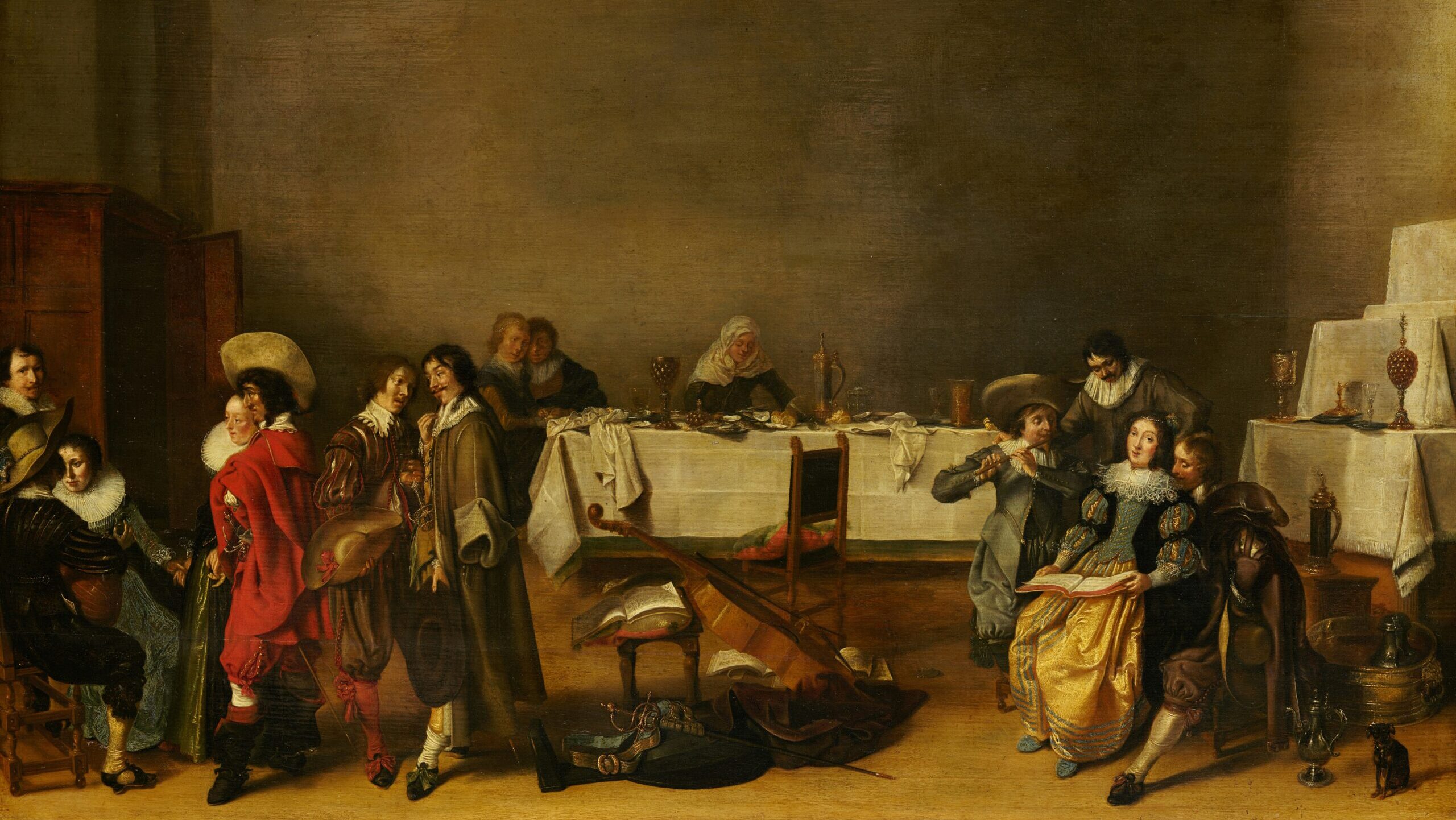
Let’s paint a picture. Your ensemble’s artistic director is knee-deep in rehearsal prep, interpreting a gorgeous Handel aria, when their phone buzzes. The venue needs a revised load-in schedule. The keyboardist wants to confirm tuning pitch. Someone lost the contract for the guest soprano. And oh: did anyone book the Baroque violin specialist for the March concert?
Sound familiar?
Here’s the hard truth: your conductor is not your project manager. And expecting them to be both is a fast track to burnout, missed deadlines, and performances that never quite reach their potential.
In the world of early music, the logistical demands are uniquely complex. Period instruments, specialized venues, historically informed repertoire: it all adds up to a coordination puzzle that deserves its own dedicated problem-solver. That’s where music project management enters the chat.
SUBSCRIBE TO OUR NEWSLETTER


The Artistic Leader vs. The Organizational Backbone
Before we dive deeper, let’s clarify what we’re actually talking about.
The conductor or artistic director is the creative engine. They interpret scores, set tempos, balance sections, shape phrasing, and guide the ensemble toward a unified artistic vision. Their job is to make the music sing, literally. During rehearsals and performances, they’re laser-focused on the sound, the style, and the soul of the piece.
The project manager, on the other hand, handles everything that makes rehearsals and performances possible. Schedules. Contracts. Venue logistics. Budget tracking. Communication with stakeholders. Equipment coordination. Promotional timelines. Recording session planning.
These are two fundamentally different skill sets. Expecting one person to excel at both is like asking your star violinist to also handle your taxes. Sure, they could try: but should they?
The Early Music Juggle: It’s Not Like Managing a Pop Band
Every musical ensemble has its logistical challenges. But early music performance comes with a unique set of complications that make dedicated music ensemble management especially valuable.
Period Instruments Require Period-Specific Expertise
You’re not just booking a keyboard player. You’re booking a harpsichordist or an organist who owns a French double-manual tuned to A=415 or whichever temperament required for the production. Period string players often travel with multiple instruments for different repertoire. Wind players might need specific Baroque-pitch reeds.
Coordinating this requires someone who understands the nuances: and has the bandwidth to track every detail.
Venue Acoustics Matter More Than Ever
Early music thrives in spaces that complement its acoustic palette: churches, historic halls, intimate chamber settings. But these venues often come with restrictions, limited availability, and technical quirks. A project manager can scout locations, negotiate contracts, and handle the back-and-forth so your artistic director can focus on programming.
Specialized Personnel = Specialized Scheduling
Chamber music coordination for early music often involves freelance specialists who juggle multiple ensembles. Locking in dates, managing conflicts, and ensuring everyone has the same information at the same time? That’s a full-time job in itself.
Why Creative People Shouldn’t Always Handle the Spreadsheets
Here’s the reality: Most musicians didn’t get into this field because they love Excel.
There’s a reason “shared responsibility becomes no responsibility” is such a common refrain in ensemble life. When everyone assumes someone else is handling the logistics, rehearsals get postponed, deadlines slip, and communication turns into a game of telephone.
Your artistic director’s brain is valuable real estate. Every hour they spend chasing down contracts or reconciling budgets is an hour not spent on score study, historical research, or creative programming.

Music project logistics require a different kind of attention: systematic, detail-oriented, and relentlessly organized. A dedicated project manager brings that energy, freeing up your creative leaders to do what they do best.
How Project Management Frees Your Ensemble to Focus on the Music
Think of a project manager as the invisible infrastructure that keeps everything running smoothly. The job requires a lot of expertise, organization, and bandwidth. Here’s what that looks like in practice:
Centralized Communication
No more hunting through email threads or group chats. A project manager creates clear communication channels, ensures everyone has the same information, and follows up when things fall through the cracks.
Realistic Timelines and Deadlines
Recording session in six months? A project manager maps out the entire timeline: rehearsal milestones, promotional deadlines, equipment bookings: so nothing sneaks up on you.
Budget Oversight
Grant funding, ticket revenue, musician fees, venue costs: it adds up fast. A project manager tracks expenses, flags potential overruns, and keeps the ensemble financially healthy.
Documentation and Contracts
Agreements about repertoire, preparation expectations, and payment terms should be clear and written down. A project manager handles this administrative layer so musicians can focus on preparation.
Booking and Promotion Coordination
From securing performance dates to coordinating with marketing efforts, a project manager ensures your ensemble maintains momentum between projects.
The result? Musicians who show up prepared, rehearsals that run efficiently, and performances that reflect the ensemble’s true artistic potential.
Bridging the Gap: Music Project Management Tailored for Early and Classical Music
This is exactly where The Codetta Collective comes in.
We specialize in music project management designed specifically for early music and classical ensembles. We understand the unique demands of historically informed performance: the instruments, the venues, the repertoire, the personalities: and we bring the organizational expertise to handle it all.
Our services go beyond basic coordination. We offer a comprehensive hub that supports your ensemble at every stage:
- Music Project Management: The logistical backbone your ensemble needs to thrive.
- Basso Continuo Figuring: Specialized figured bass realization for your continuo section. (Check out our deep dive on Basso Continuo Services vs. Modern Realization.)
- Creative Services: From concert programming to audience engagement strategies: like story-driven concert planning: we help you build lasting connections with your listeners.
We’re not just administrators. We’re musicians who understand the field, and we’ve built our services to address the real challenges ensembles face.

The Bottom Line: Invest in Your Ensemble’s Infrastructure
Your conductor’s job is to lead the music. Your project manager’s job is to make sure everyone can focus on the music.
In the demanding world of early music performance, that distinction matters more than ever. The logistical complexity of period instruments, specialized venues, and freelance personnel requires dedicated attention: attention that shouldn’t come at the expense of artistic preparation.
If your ensemble has ever struggled with postponed rehearsals, unclear communication, or deadlines that sneak up out of nowhere, it might be time to rethink your organizational structure.
A conductor gives your ensemble its artistic soul. A project manager gives it the infrastructure to share that soul with the world.
Ready to explore how dedicated music ensemble management could transform your next project? Get in touch, we’d love to help!